Children: Harbingers of Change
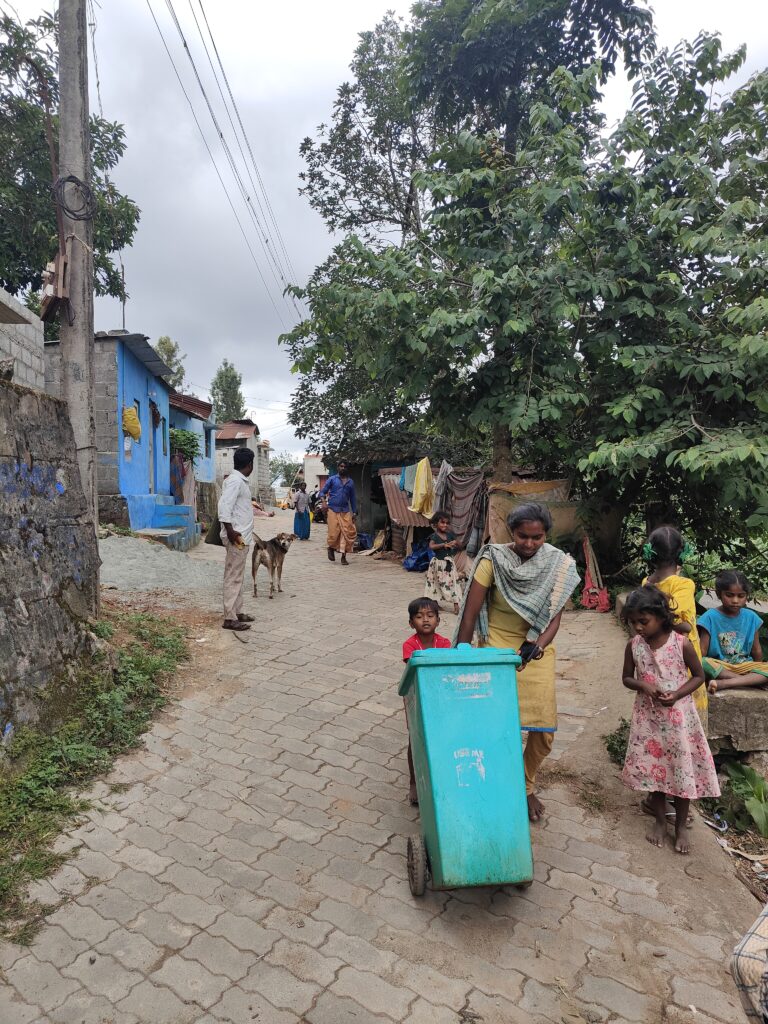
On a June evening, a conversation unfolded with teenagers at the Meiporul Trust’s project village, centered around the concept of a Village Children’s Parliament. This initial discussion explored how such a parliament could be structured and the potential changes it could bring to the village. By the end of the session, members for the Village Children’s Parliament were selected.
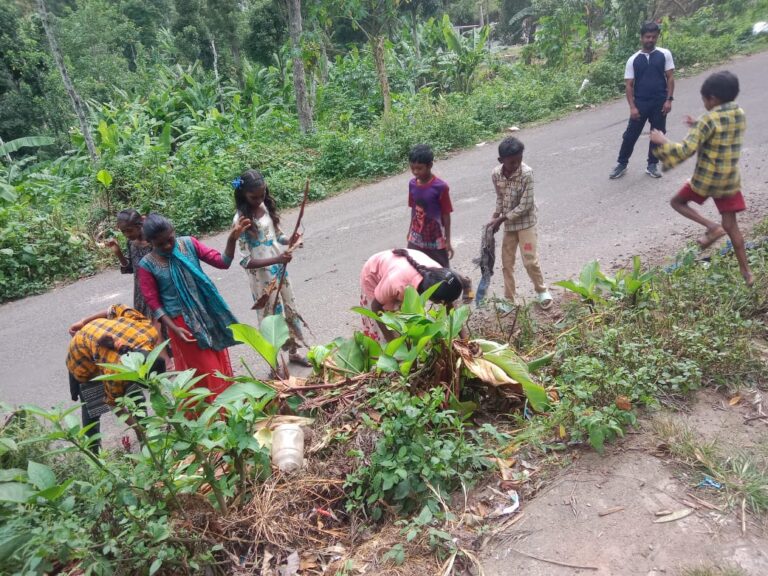
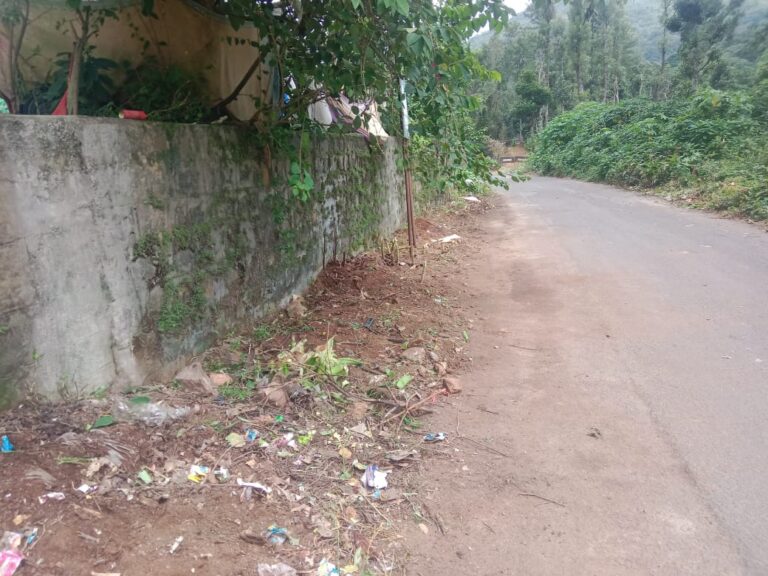
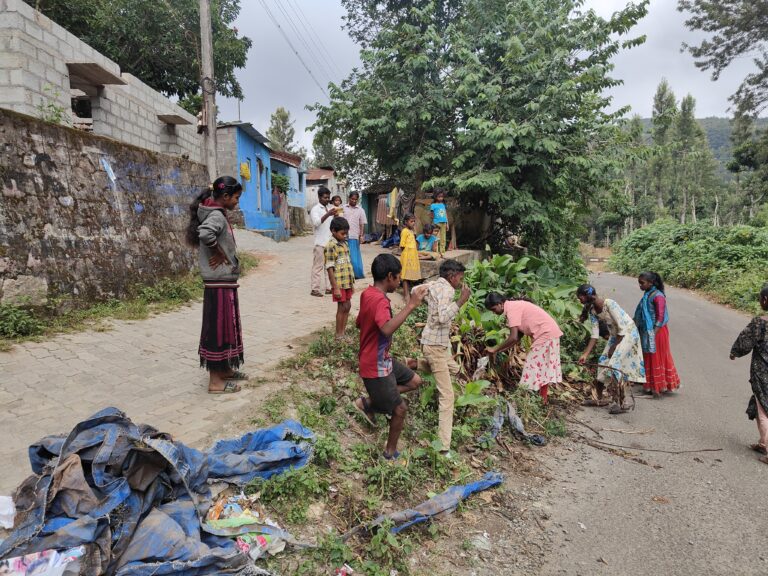
A week later, the children, on their own initiative, decided to clean their village. Under the leadership of the Children’s Parliament’s Environment Minister, they tidied the village’s main entrance. They even sent photographs of their efforts to the local Panchayat office. The very next day, the Thandikudi Panchayat responded by completely clearing and cleaning the overgrown bushes that had engulfed the entire village.
This remarkable transformation, spearheaded by children in a tribal village, stands as a powerful symbol of hope for the future.
Young Activists Spark Government Action
The initiative taken by the children of this tribal village highlights the profound impact that youth empowerment can have on community development. Their proactive decision to organize a clean-up drive, without external prompting, demonstrates a budding sense of civic responsibility and environmental awareness. It wasn’t just a symbolic gesture; their direct action, coupled with the strategic communication of their efforts to the local authorities, proved to be incredibly effective.
The swift and comprehensive response from the Thandikudi Panchayat is particularly noteworthy. It underscores the potential for grassroots movements, even those initiated by children, to influence local governance. The Panchayat’s action not only validated the children’s efforts but also provided a tangible example of how citizen engagement can lead to prompt and positive government intervention. This incident serves as a powerful testament to the idea that when communities, especially their youngest members, take ownership of local issues, governing bodies are more likely to respond with the necessary resources and support.
A Beacon of Hope
This incident in a tribal village is more than just a successful clean-up operation; it’s a microcosm of how empowering children can cultivate future leaders and foster sustainable community development. It offers a compelling vision of a future where young voices are not just heard but are instrumental in driving meaningful change. The collaboration between the children’s initiative and the government’s response sets a precedent for how community-led action can synergize with administrative support for collective betterment.
How might we further nurture these young seeds of change to cultivate a forest of responsible and proactive citizens who continue to shape a better future for all?